
In mid-2026, hosting provider FirstVDS announced another round of price adjustments affecting its virtual private server (VPS/VDS) and S3 object storage services. The update, scheduled to take effect on July 1, 2026, marks the second price increase within the same year and signals broader cost pressure across the hosting industry.
While price changes in hosting are not unusual, the timing and scale of this adjustment have raised attention among long-term clients, resellers, and infrastructure users who rely on stable monthly costs.
What Exactly Is Changing?
According to the company’s announcement, prices for VPS (VDS) services will increase by an average of 10% to 20%, depending on:
- tariff type
- server configuration
- geographic location
- selected plan category
This adjustment applies broadly across the product line, including older or so-called “archival” plans.
S3 object storage pricing is also included in the update, meaning both compute and storage costs are affected simultaneously.
Which Plans Are Exempt From the Increase?
Not all users will see immediate price changes.
Certain promotional and branded tariff lines will remain unchanged, including:
- promotional VPS plans (various branded tiers)
- GPU-based server offerings
- selected legacy and special-purpose configurations
For reseller accounts, the increase is delayed slightly, with new pricing scheduled for August 1, 2026 instead of July.
This staggered rollout suggests an attempt to reduce immediate disruption across partner ecosystems.
Why Are VPS Prices Increasing Again in 2026?
FirstVDS cites a straightforward explanation: rising infrastructure costs.
The company states that earlier price adjustments in 2026 were not sufficient to offset:
- increased hardware costs
- higher energy consumption expenses
- ongoing infrastructure maintenance upgrades
- currency and operational fluctuations
As a result, a second correction became necessary to maintain service quality and system reliability.
While companies rarely disclose detailed internal financials, this explanation aligns with broader trends in the hosting industry throughout 2025–2026.
What This Says About the Hosting Market in 2026
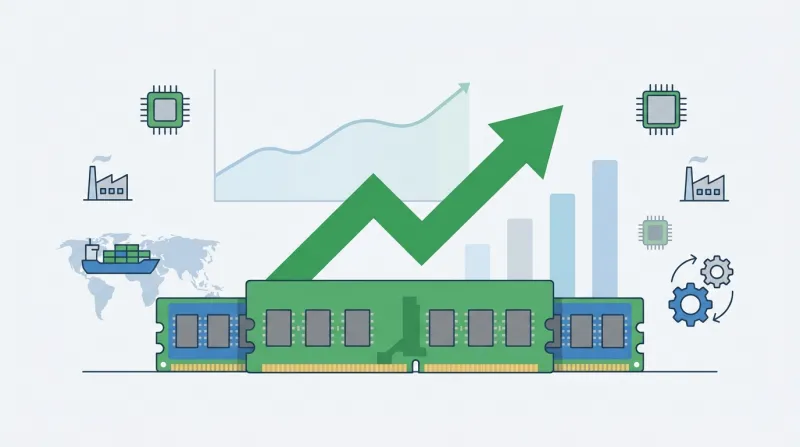
Price adjustments like this are becoming increasingly common across VPS and cloud providers.
Several global pressures are contributing:
1. Rising Hardware Costs
Modern NVMe storage, high-core CPUs, and GPU resources remain expensive due to supply chain limitations and demand from AI workloads.
2. Energy Price Volatility
Data centers consume significant electricity, and fluctuations in energy markets directly affect operational costs.
3. Infrastructure Expansion
Providers are constantly upgrading networks, security layers, and redundancy systems to meet uptime expectations.
4. AI and Compute Demand
Growing demand for compute-heavy workloads (AI, automation, scraping, rendering) is increasing pressure on VPS infrastructure globally.
Impact on Existing Customers
For most users, the immediate effect is financial rather than technical.
Potential impacts include:
- higher monthly hosting bills
- need to reassess multi-server setups
- possible migration considerations for cost-sensitive projects
- budget adjustments for agencies and resellers
However, performance, uptime, and server specifications remain unchanged according to the provider.
Should Users Be Concerned?
Not necessarily.
A price increase alone does not indicate declining service quality. In many cases, it reflects an attempt to:
- maintain infrastructure stability
- avoid resource overselling
- preserve long-term reliability
The key question users should ask is not “why is it more expensive?” but rather:
Does the service still match my performance and scalability needs at this price?
If the answer is yes, staying may still make sense. If not, it becomes a strategic decision rather than a reactionary one.
What This Means for VPS Users in General
This announcement highlights a broader reality in 2026:
Cheap VPS hosting is becoming harder to sustain at scale without periodic price adjustments.
Users who rely on VPS infrastructure should expect:
- gradual price increases over time
- more segmentation between budget and premium tiers
- stronger emphasis on resource-based pricing
- higher costs for high-performance configurations
In other words, VPS hosting is evolving from “cheap infrastructure” into “performance infrastructure.”
Final Thoughts
The FirstVDS price increase is not an isolated event—it reflects a wider shift in the hosting industry.
As infrastructure costs rise and demand for compute grows, VPS pricing is becoming more dynamic and less predictable than in previous years.
For users, the focus should shift from finding the cheapest plan to choosing the most stable and scalable one for long-term use.
In 2026, hosting is no longer just a utility cost—it’s part of your performance strategy.